

Why NEPRA, why?
Net metering's shift to net billing cuts solar export credits to utility rates, extending payback times but encouraging battery use to ensure grid stability.
Title : “Why NEPRA ,why??”
Author name: Alishba Adnan
EmpowerGEN , Research Team
Department of Electronics Engineering , NED University of Engineering and Technology
The old policy of NEPRA was the reason behind solar’s popularity in Pakistan as people saw it as an
opportunity to make money. What was this policy? How was it changed? And how did it affect the
 consumers as well as the providers? Let me walk you through it.
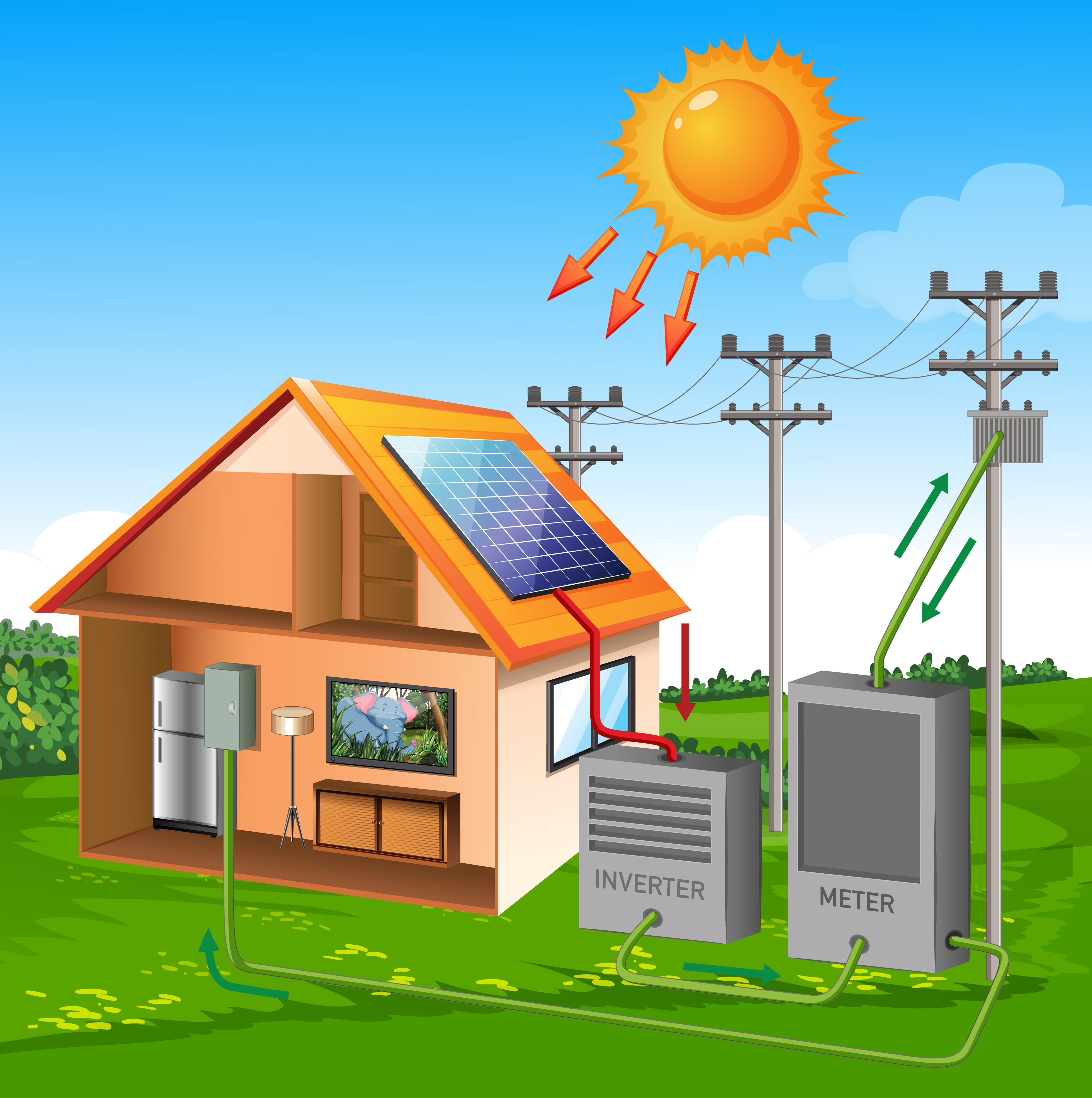
[this pic is showing the working of solar panels
Taken from Freepik]
Old policy – Net Metering
Before the policy changed in 2026, NEPRA used a net metering policy in Pakistan. Now many of you might be thinking, what was net metering?? Net metering was a process in which, if your solar produced more electricity than you consumed, the extra electricity was exported to the main grid. There they either stored this extra electricity for your later use or paid you the amount, it was adjusted as 1-to-1 ratio, meaning that every 1 exported unit was considered on the same price as 1 imported unit was. For example: if your excess electricity is credited for Rs 25/ unit ,and your solar produced 350 units electricity but you only consumed 300 units, the 50 units remaining was either stored or was paid later to you. Either way your overall bill that you had to pay was zero.
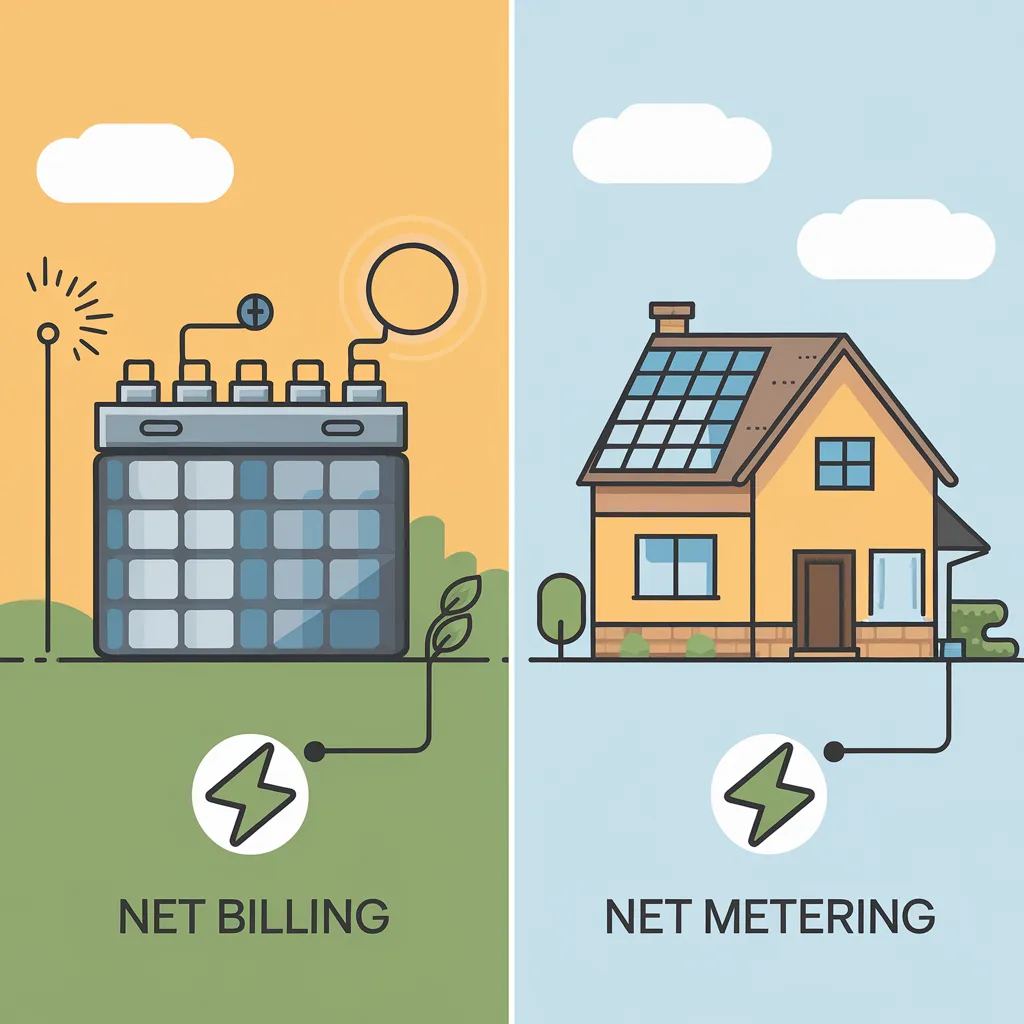
[this pic shows a general comparison of net billing and net
metering. It is taken from electric power ]
New policy – Net billing
This policy changed everything for the people. Under this policy the imported electricity and exported electricity are not considered the same. The imported units and the exported units are treated differently, with the exported electricity price reduced by 65%. Where NEPRA was paying Rs 25-26/unit before now they pay Rs 8-10/unit. The imported electricity is being charged at Rs45-65/units, It is no longer possible to cancel the imported units with the exported ones. Suppose, your solar produces 300 units which are all being exported, they will pay you for the electricity units you are exporting. But the 300 units of electricity that you use, you will have to pay for them. Your overall bill will be reduced but it will no longer be zero.

[A pic representing the downfall of solar industries
It is taken from solyield]
Why did the policy change ?
NEPRA cited several economical and technical reasons. Solar consumers were using the national grid as free storage and were paying nothing for the maintenance for the infrastructure, meanwhile distribution companies still had to maintain the transmission lines, transformer, and power plants. Their revenue was far less. When the solar users paid the lower bills the burden was shifted to non solar consumers which included mainly middle or lower class people and small businesses. This created tariff imbalance and unfair cost sharing . Pakistan’s power sector circular debt exceeded Rs 2.25 trillion. NEPRA believed that net metering accelerated the debt.
Impact of new policy
This policy shift created a clear divide, with electricity distributors and the government gaining revenue stability and tighter control over grid operations, while new solar investors, residential users, and small commercial consumers found themselves discouraged from making the switch, their returns quietly eaten away by reduced incentives.In attempting to stabilize the national grid, it risks stalling its own renewable transition and pricing out the very households that could have driven it.

[this picture is taken from dreamstime.com]
NEPRA’s policy change might be beneficial to the power sector of Pakistan, but it will come with its own cons. To navigate these changes, Empower Gen provides the expertise needed to maximize energy independence. Empower Gen make sure that you secure a sustainable, cost-effective future despite evolving regulations. If you still want to know more about net billing you can visit the given link.
New NEPRA net-metering policy 2026: government vs. consumer, detailed discussion.