

choosing a reliable solar supplier
A short guide for those who are thinking to get solar panels in thier homes.
How to Choose a Reliable Solar Supplier in Pakistan
Choosing a reliable solar supplier in Pakistan is far more critical than many realize. A solar installation is a long-term investment, requiring ongoing trust in the provider for performance, maintenance, and support. With rising electricity costs and persistent power outages, the market has seen a surge in new solar companies—yet not all meet the standards of credibility and reliability.
Many providers position themselves as industry experts without offering verifiable evidence of their capabilities. Rather than being influenced by polished marketing, it is essential to assess how a company addresses technical inquiries and demonstrates its expertise. Reputable suppliers distinguish themselves through transparent track records, high-quality products, and dependable after-sales support.
1. Verify Company Registration (SECP)
Start by checking whether the company is registered with the Securities and Exchange Commission of Pakistan (SECP). This confirms legal recognition and accountability.
Visit: https://www.secp.gov.pk
Search for the company name in their database
A registered company is more likely to follow national standards and stand behind its work.
2. Check AEDB / PPIB Affiliation
Solar suppliers often follow guidelines from the Alternative Energy Development Board (AEDB), now under the Private Power and Infrastructure Board (PPIB).
Website: https://www.aedb.org
This affiliation indicates adherence to renewable energy standards in Pakistan.
3. Confirm Brand Partnerships
Reliable suppliers work with established solar manufacturers such as:
Jinko Solar → https://www.jinkosolar.com
LONGi Solar → https://www.longi.com
Other known brands include Canadian Solar and Huawei.
Ask for proof of dealership or partnership and verify directly from manufacturer websites.Some suppliers claim they have a brand panel (e.g., Jinko), but verification is done through a QR code on the panel. Make sure:
The QR code is scanned in front of you
It links to the official manufacturer verification page
The product details match the panel being sold
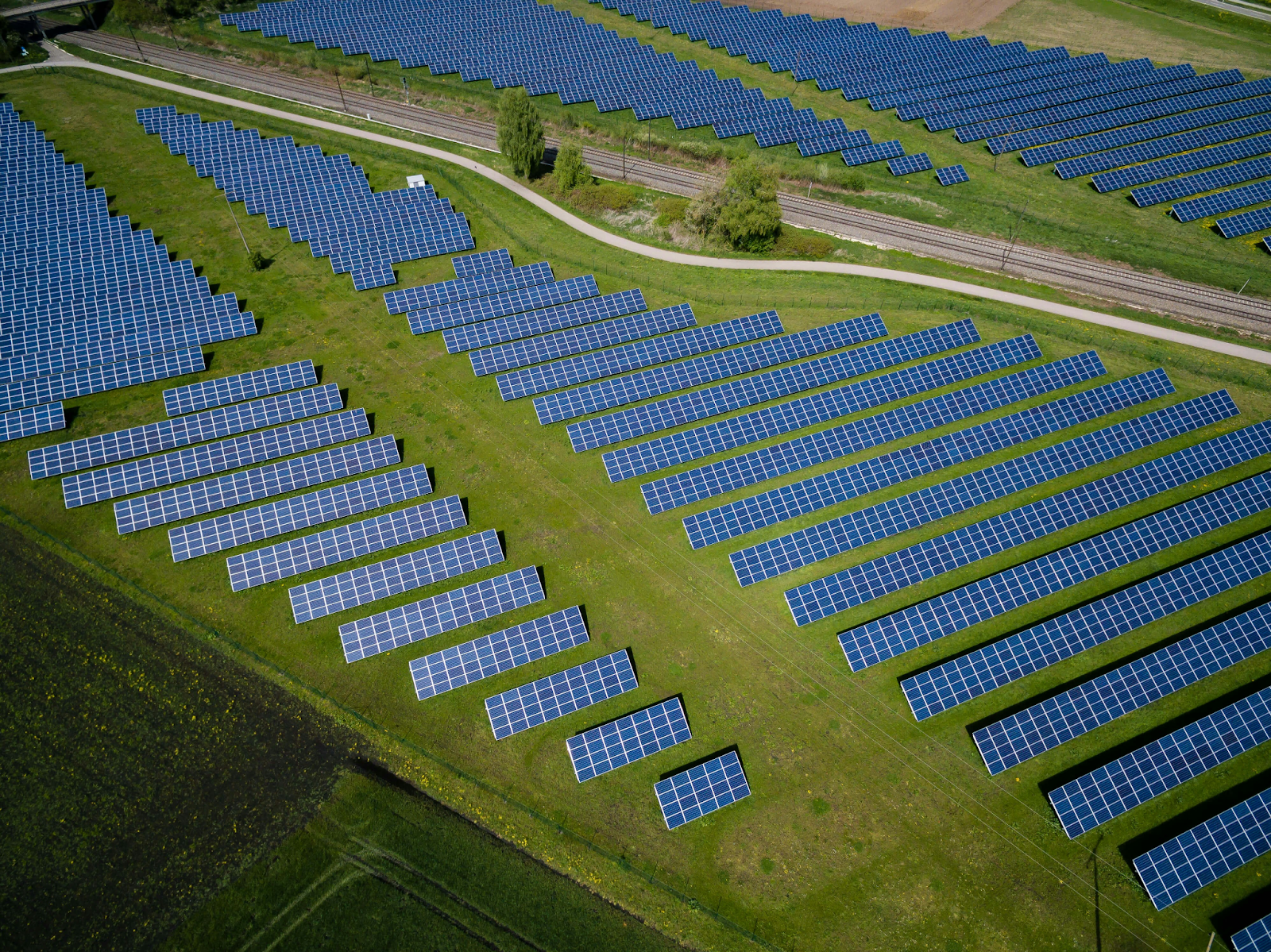
[This image shows a clean solar panel shot ]
4. Check Online Reviews & Reputation
Search about companies on the internet or visit and analyze their website. Check their social media platforms and reviews on Facebook or LinkedIn. Get in touch with their previous customers via feedback sections, and remember—repeated complaints are a red flag!
5. Evaluate Experience
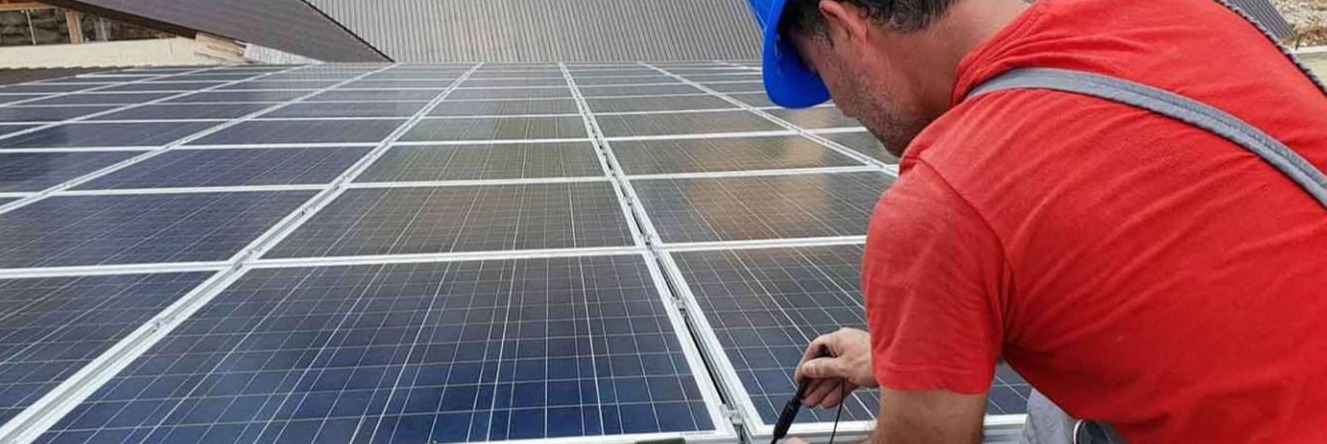
Most people in the solar industry gain valuable knowledge over time, and this experience plays a major role in the quality of work they deliver. Suppliers who have been in the field for several years are more likely to have handled a wide range of projects, including different rooftop structures, system sizes, and technical challenges. Their experience allows them to recommend better system designs and explain how energy flows, including grid integration. By discussing their past projects, you can better understand their capabilities and what to expect. In this field, experience is not just a number—it directly impacts how efficiently and smoothly the installation process is completed.
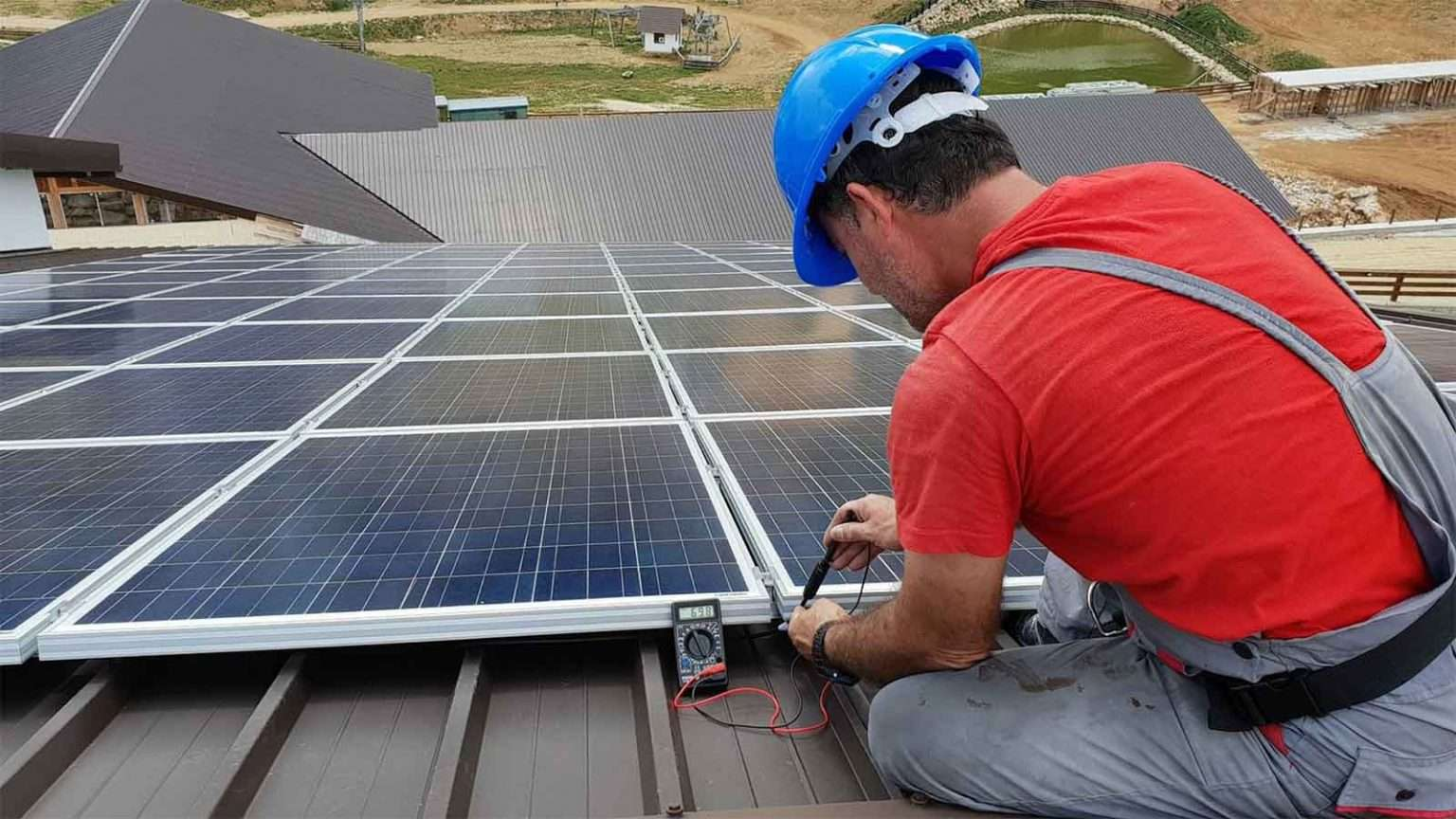
[technician installing solar panels ]
6. Inspect Product Quality & Warranty
The quality of solar equipment is just as important as the installation itself. A reliable supplier should clearly explain all components, including solar panels, inverters, batteries, and mounting structures. They should willingly provide datasheets and detailed specifications without hesitation. Additionally, warranties are a key indicator of product reliability. Typically, equipment should come with a warranty of 10 to 12 years, while performance warranties for panels often extend up to 25 years. If a deal appears unusually cheap, it may involve low-quality or counterfeit products. Therefore, always ensure that the equipment meets proper standards and includes valid warranty coverage.
7. Check NEPRA Net Metering Compliance
If you plan to send excess electricity back to the grid, the supplier must follow NEPRA regulations.
Visit: https://nepra.org.pk
Without compliance, net metering can become difficult or impossible.
8. Demand Transparent Pricing
Transparent pricing is essential when selecting a solar supplier. A trustworthy provider will offer a detailed quotation that clearly outlines the cost of each component, including solar panels, inverters, wiring, mounting structures, and installation services. This breakdown helps you understand exactly what you are paying for and prevents confusion later. Be cautious of suppliers who provide vague estimates or leave out important details, as this may lead to hidden charges during or after installation. Clear and honest pricing reflects professionalism and helps build trust between the supplier and the customer.
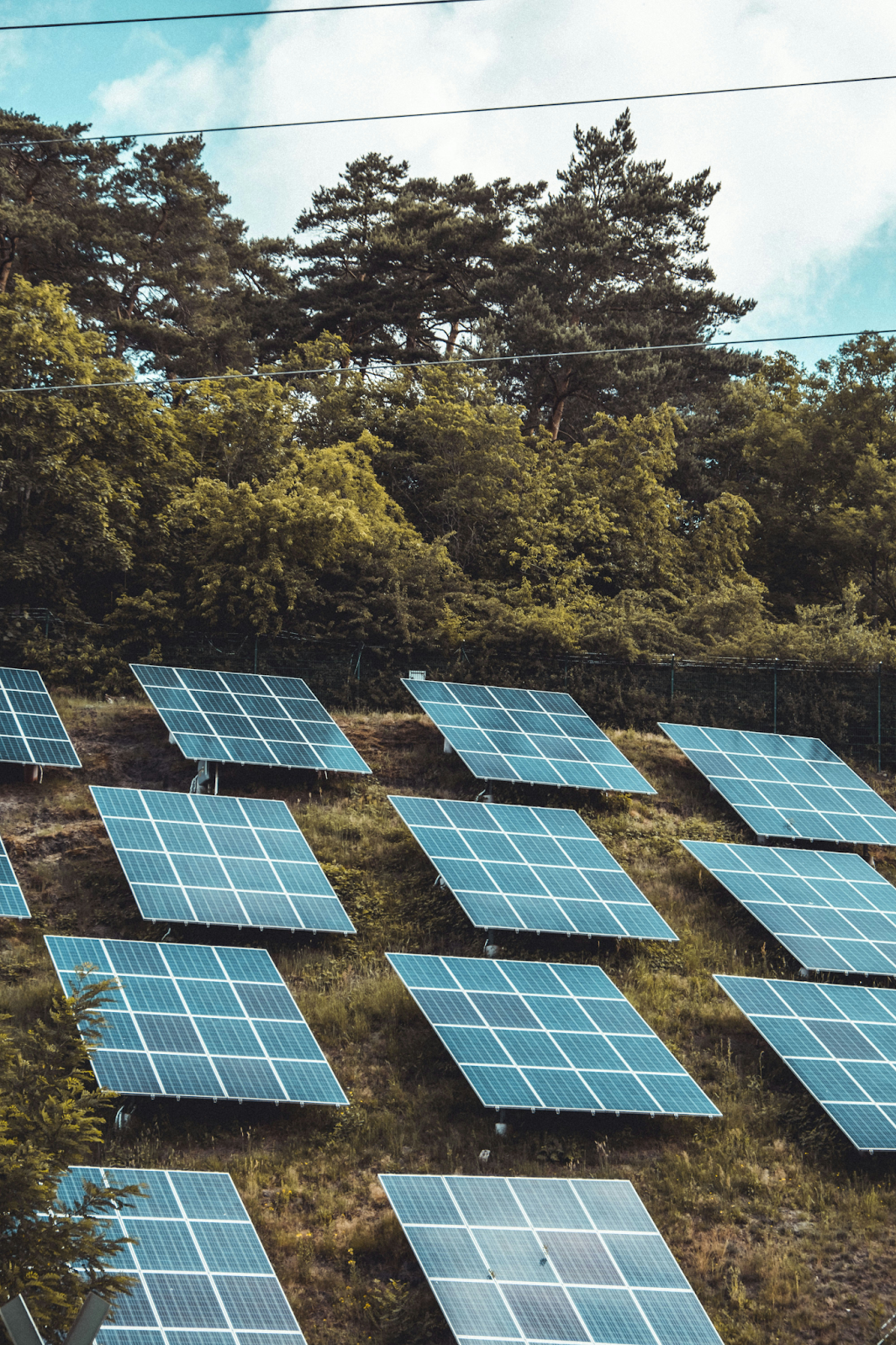
[This image shows a residential solar setup ]
9. After-Sales Support Matters
After-sales support is a critical aspect that many buyers overlook when choosing a solar supplier. Installing the system is only the beginning; proper maintenance and occasional troubleshooting are necessary to ensure long-term performance. A reliable supplier will continue to provide support even after installation is complete, offering services such as system monitoring, maintenance checks, and quick responses to technical issues. In case of any faults or performance drops, there should be someone available to assist you. Good suppliers maintain long-term relationships with their customers and do not disappear once the installation is finished.
10. Site Inspection is Essential
A professional solar supplier will always conduct a physical site inspection before finalizing the system design. Instead of giving estimates without proper assessment, they visit your location to evaluate important factors such as rooftop size, direction, shading, and daily sunlight exposure. They also analyze your electricity consumption patterns to design a system that best suits your needs. This personalized approach ensures that the system operates efficiently and delivers optimal performance. Without a proper site inspection, there is a higher risk of poor system design and reduced energy output.
Conclusion
Before choosing a solar supplier:
Verify SECP registration
Check AEDB/PPIB and NEPRA compliance
Confirm brand partnerships
Review customer feedback
Assess experience and transparency
Taking time to evaluate these factors ensures your investment lasts for decades—just like your solar panels should.
If you want to avoid scams and make the right solar investment, visit our website of Empower Gen. Their website for choosing a reliable solar panel and connecting you to the verified and certified vendors. A must-watch before finalizing any solar purchase—simple, practical, and based on real market insights.